December 30, 2011

Fireworks for the New Year
Photo by: Anu Länsisalmi (Stock Exchange)
Welcome to AllCampgrounds!
Today, we’re checking in on the latest trends that are sure to be hot in the camping scene for 2012.
We’ve covered many of these in depth in prior posts, so you can enjoy a little more on each subject by checking out our archives.
Here are the top trends we expect to see more of in the outdoor world during the new year. (more…)
December 23, 2011

Have a s'more on us
Photo by: James Rubio (Stock Exchange)
Hello from AllCampgrounds!
The time between Christmas and New Years is perhaps the slowest point for camping all year, so we like to use this time to relax, unwind, and take a look back at the interesting and exceptional things we’ve discovered in the world of tent camping and RV camping.
2011 was a banner year for major developments in the national camping scene, and also saw the arrival of several outstanding resources that campers can use for trip planning.
Here’s a quick retrospective, AllCampgrounds style. (more…)
December 16, 2011
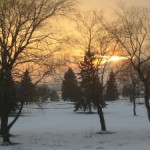
Winter in Wisconsin
Photo by: jnystrom (Stock Exchange)
Hello and welcome back to AllCampgrounds!
You know, as much as we all love camping, it’s a fact that just about nobody spends the holiday season in the wilds: you have to come in for all the celebrations, even if you spent all kinds of time building your own igloo to extend the camping season that much longer!
But that doesn’t mean that we just forget about camping or that there aren’t any campers on our holiday shopping list.
So, today, we’ll look at some ideas for those who are doing last-minute holiday shopping (or early New Year shopping) for campers of all kinds. (more…)
December 9, 2011

Camping out on Sandy Beach
Photo by: Brad Harrison (Stock Exchange)
Welcome to AllCampgrounds!
December is upon us, so it’s time to look ahead to some of the great features we plan to roll out over the new year.
If you’re a new reader, it might surprise you to know the AllCampgrounds blog has over 100 posts covering all kinds of tent camping and RV camping topics, dating back to 2008.
In fact, the AllCampgrounds camping directory, has been around for more than ten years!
You might think we’ve done everything in that time, but there’s always more to see and do when it comes to camping! (more…)
December 2, 2011
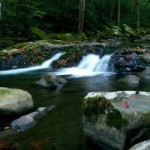
Big Ridge, The Smokeys
Photo by: Fran Priestley (Stock Exchange)
Hello and welcome to AllCampgrounds!
As we head into December, it’s the time of year most folks associate with a lull in camping.
Since our goal is to promote tent camping and RV camping all year around, we thought we’d take this chance to remind our newer readers about all our regular features.
In the last few weeks, we’ve talked a lot about winter camping, but AllCampgrounds has a range of news and articles to offer everyone!
Here’s a brief recap.
(more…)
November 25, 2011
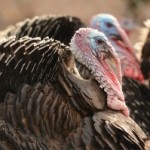
Wild turkeys
Photo by: Yousif Waleed (Stock Exchange)
Welcome back to AllCampgrounds!
You know, for the holidays, even hardcore tent campers like us have to come indoors for turkey, ham, stuffing, and all the rest.
Just a bit ago, we discussed some things we’re thankful for in the camping world.
Now, as we snooze off another terrific holiday meal, it’s time to look ahead to the peak of the winter holiday season and ask: just what would AllCampgrounds want from Camping Santa this year?
Join us for a little more holiday fun, won’t you?
(more…)
November 18, 2011
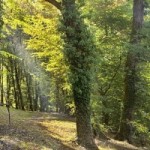
Forest of the French Dordogne
Photo by: Fred Fokkelman (Stock Exchange)
Hello, everyone, and welcome back to AllCampgrounds!
Over the last few weeks, we’ve been looking at the best in winter camping and cold weather camping in general.
If you’re ready to come in from the chill, we’ve got something new: international camping news, including a whole slew of wild camping trends you might not be familiar with yet.
These new ideas in tent camping are sweeping the globe, and you might just be inspired. (more…)
November 11, 2011

The colors of fall
Photo by: John Nyberg (Stock Exchange)
Here at AllCampgrounds, Thanksgiving is one of our favorite holidays.
With so many people discovering camping for the first time, there sure is a lot to be thankful for lately!
In today’s post, we wanted to highlight some of the extaordinary things that are out there for tent campers and RV campers alike to enjoy.
These are some of the top sites we’ve pointed out in previous posts; they’re the best of the best, and we want to be sure they don’t slip by this Thanksgiving.
So let’s pay a visit to some camping resources we’re thankful for. (more…)
November 4, 2011
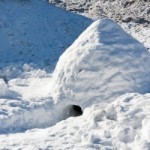
Self-made igloo
Michael Faes (Stock Exchange)
Welcome back to AllCampgrounds!
You know, one of the best things about camping is how creative it is.
RV campers and tent campers alike are always finding new ways to enjoy and learn about nature.
What better way to “Leave No Trace” than bring back one of the oldest and most eco-friendly ways of camping?
If you never let winter stop you from getting outside, then AllCampgrounds has the great idea you’re waiting for: igloo camping. Sound impossible? It may be easier than you think! (more…)
October 28, 2011

Perfect winter weather?
Photo by: Ariel de Silva Parreira (Stock Exchange)
Welcome back to AllCampgrounds!
Last week’s visit had us combing through some of the best sites on the web for winter camping.
Of course, winter camping makes for some of the best and most challenging opportunities for backcountry adventures, but you have to know your stuff!
Likewise, not everyone wants to trek into the “deep freeze” to enjoy the outdoors during winter.
So today’s post will highlight trusted parks and camp grounds that are open all winter long; both chilly and warm, to suit everyone’s tastes.
Tent campers and RV campers alike will find something to whet their camping appetite!
(more…)

